

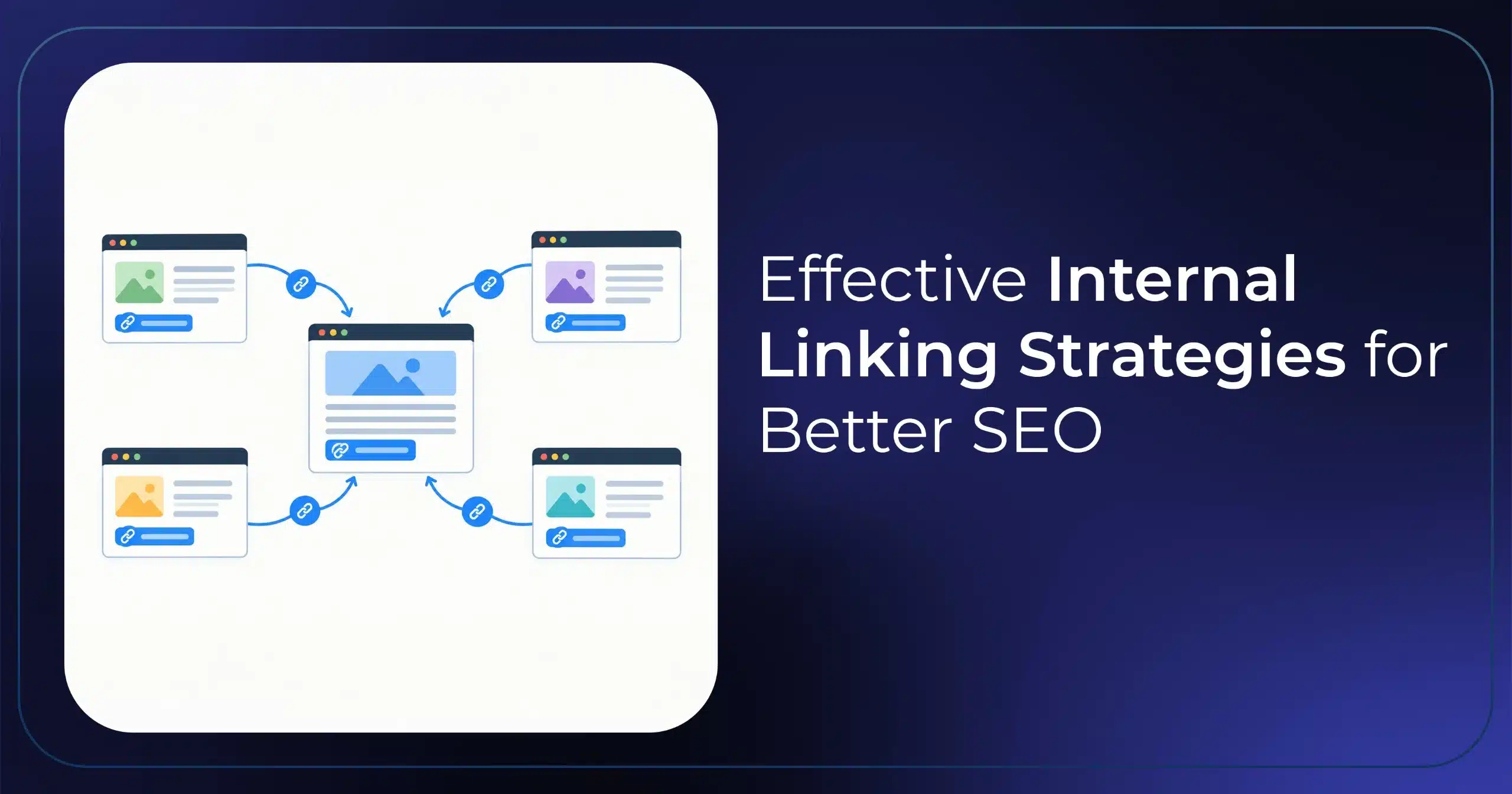
Effective Internal Linking Strategies for Better SEO
A strong internal linking strategy can make a big difference to your website’s SEO without requiring a large advertising budget. By connecting related pages thoughtfully, you can help search engines discover your content, understand your website structure, and guide visitors toward useful information.
At Level8, a digital marketing academy in Kottakkal, we help students understand practical Internal Linking Strategies and other SEO techniques. Through hands-on learning, students discover how smart internal linking can support better navigation, content visibility.
What Is Internal Linking in SEO?
Internal linking is the practice of linking one page on your website to another page on the same website. For example, a blog post can link to a related service page, guide, or another useful article using relevant anchor text.
These links help search engines discover and understand the different pages on your website. When you use effective Internal Linking Strategies, Google can better understand how your content is connected, which pages are important, and how users can navigate through your site. This makes internal linking an important part of Search engine optimization.
Internal links are also valuable for your visitors. Instead of searching for related information themselves, readers can simply follow a relevant link to continue exploring your content. This makes your website easier to navigate and can encourage visitors to spend more time exploring your pages.
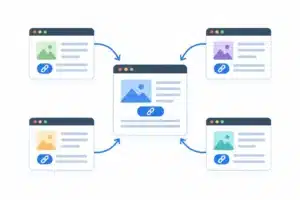
A simple way to understand internal linking is to think of your website as a city. Each page is a destination, while internal links act like roads connecting those destinations. A clear and well-planned linking structure helps both visitors and search engine crawlers move smoothly from one page to another, making your important content easier to discover.
Why Internal Linking Strategies Matter for Your Website
Many website owners focus only on backlinks and forget internal links. But internal linking for SEO plays an equally important role. Here is why it matters:
- It helps search engines discover new pages quickly.
- It distributes “link equity” across your site.
- It reduces bounce rate by guiding users to relevant content.
- It supports keyword targeting for multiple pages.
- It builds a clear content hierarchy for both users and crawlers.
Without a solid linking plan, even great content can stay buried and unseen by search engines.
For small businesses and students building their first websites, this often makes the biggest ranking difference. Two pages with identical content can perform very differently in search results, simply because one has smart, natural internal links and the other does not.
How Internal Linking Boosts Page Authority
Page authority grows when a page receives links from other trusted pages, including pages within your own website. This is where SEO linking strategies come in.
When a high-authority page (like your homepage) links to a newer blog post, some of that authority passes through. This process is called link equity flow. Over time, well-linked pages tend to rank higher because search engines see them as important and trustworthy.
A smart internal linking plan also helps your cornerstone content, such as guides and pillar pages, gain more visibility. This is a core part of any effective internal linking approach used by experienced SEO professionals.
Pages that sit closer to your homepage, in terms of clicks, generally receive more authority. Placing important links in your main navigation or footer, along with contextual links inside blog content, strengthens this effect significantly.
Effective Internal Linking Strategies You Should Use
Below are practical, easy-to-apply internal linking strategies for any website or blog.
1. Identify Your Most Important Pages
Before creating your internal links, identify the pages that matter most to your website and business goals. These may include your homepage, main service pages, important product pages, pillar content, or blog posts that already attract organic traffic. Reviewing your Google Search Console data, traffic reports, and keyword rankings can help you find these high-value pages. Once identified, prioritize them when developing your Internal Linking Strategies. Add relevant links from authoritative pages to these important destinations using natural, descriptive anchor text. This helps users discover valuable content while making it easier for search engines to understand your website structure. Regularly reviewing your priority pages also allows you to update your internal links as your content grows, keeping your SEO strategy organized, relevant, and effective.
2. Create Topic Clusters for Better SEO
Topic clusters help you organize related content around one main subject, making your website easier to navigate and understand. Start with a detailed pillar page, then create supporting articles that cover specific parts of the topic. This approach works well with SEO content marketing because it creates a connected content network that provides value to readers. Connect these pages with relevant internal links to strengthen your Internal Linking Strategies, help search engines discover related content, and guide visitors naturally through your website.
3. Choose Relevant Anchor Text for Internal Links
Anchor text gives readers and search engines a clear idea of what they will find after clicking a link. Instead of using vague phrases like “click here,” choose natural, descriptive words that match the linked page. As part of your Internal Linking Strategies, keep the anchor text relevant to the surrounding content and avoid forcing keywords into every link. This creates a smoother user experience while helping search engines understand the relationship between your pages.
4. Add Internal Links From High-Authority Pages
Pages that already attract organic traffic and have strong visibility can help support other important pages on your website. Add relevant internal links from these high-performing pages to newer or priority content where it makes sense. This is a useful part of Internal Linking Strategies, as it creates clearer connections between your content and helps users discover valuable pages. Always keep the links natural and relevant rather than adding them simply to increase the number of internal links.
5. Link to Deeper Pages Within Your Website
Place internal links naturally within the main body of your content where they genuinely help the reader. For example, when explaining a topic, link to a related guide or service page that offers more useful information. As part of effective Internal Linking Strategies, contextual links are often more helpful than adding links randomly at the end of a page. They make navigation easier, connect related content, and help search engines understand how your pages relate to each other.
6. Add New Internal Links to Older Content
Older blog posts can continue bringing traffic, so don’t let them become disconnected from your newer content. Whenever you publish a related article or page, revisit relevant older posts and add a natural internal link to it. This simple habit keeps your content connected and easier to navigate. As part of your Internal Linking Strategies, updating older content with fresh links can also help search engines discover newer pages and understand the relationship between your topics.
7. Refresh Older Content With Relevant Internal Links
Older content shouldn’t be left behind as your website grows. Review your existing blog posts regularly and look for opportunities to add links to newer, closely related pages. This keeps useful information connected and makes it easier for visitors to explore your site. As part of effective Internal Linking Strategies, refreshing older posts with relevant internal links can also help search engines discover new content and better understand your website’s overall structure.
8. Avoid Overusing Internal Links
Internal links are helpful, but adding too many can make your content feel cluttered and difficult to read. Focus on linking only to pages that genuinely add value to the topic. As part of effective Internal Linking Strategies, prioritize quality and relevance over the number of links. A few well-placed internal links can guide readers naturally while keeping your content clean, useful, and easy for search engines to understand.
9. Find and Fix Orphan Pages and Broken Links
Regularly check your website for orphan pages and broken internal links. Orphan pages have no internal links pointing to them, while broken links lead visitors to pages that no longer work. Both can create a frustrating experience and make content harder to discover. As part of your Internal Linking Strategies, connect orphan pages to relevant content and replace or remove broken links. A simple site audit can keep your website healthy, connected, and easy to navigate.
10. Track Your SEO Results
After improving your internal links, keep an eye on how your pages perform over time. Check organic traffic, keyword rankings, page engagement, and indexing reports using tools such as Google Search Console and Google Analytics. These insights can show which changes are helping and where further improvements may be needed. Regularly reviewing your results makes your Internal Linking Strategies more effective and helps you make smarter, data-driven SEO decisions.
Common Mistakes to Avoid in SEO Linking Strategies
Even experienced marketers can make mistakes with internal linking. Avoiding these common SEO mistakes can help keep your website structure clear, useful, and search-friendly. Watch out for issues such as adding too many links, using irrelevant anchor text, creating broken links, or leaving important pages disconnected from the rest of your site.
Even experienced marketers make mistakes with internal linking. Watch out for these:
- Overlinking: Too many links on one page confuse readers and dilute value.
- Broken links: Dead internal links hurt user experience and crawl efficiency.
- Irrelevant links: Linking unrelated pages looks unnatural and adds no SEO value.
- Ignoring mobile users: Ensure links are easy to tap on smaller screens.
Avoiding these mistakes keeps your internal linking strategies clean, natural, and genuinely useful.
How Level8 Helps You Master Internal Linking for SEO
At Level8, recognized as one of the best digital marketing academy options for Kottakkal students, we go beyond theory. Our hands-on SEO modules teach students how to plan, execute, and audit effective internal linking on real websites.
Students learn to build complete SEO linking strategies, covering anchor text planning, site architecture, and authority flow, through live projects and mentorship. This practical approach prepares learners for real digital marketing careers, not just certificates.
Build Better SEO With Smart Internal Linking
A well-planned internal linking strategy can make your website easier to crawl, simpler to navigate, and more connected. You don’t need to make dozens of changes at once. Small, thoughtful updates to your internal links can gradually improve how users and search engines discover your content.
At Level8, we believe SEO is best learned by doing. Our practical training in Kottakkal helps students build real-world digital marketing skills through hands-on projects, guidance, and industry-focused learning. Start learning SEO with skills you can actually use.
Master practical SEO and internal linking strategies with Level8’s hands-on digital marketing training in Kottakkal. Join today!
Call : +91 8089688868
Email : [email protected]
FAQs
Q1. What is the main purpose of internal linking strategies?
A.They help search engines crawl pages and pass authority across your website.
Q2. How many internal links should a blog post have?
A. Generally 2 to 5 relevant internal links work well for most blog posts.
Q3. Does internal linking really improve SEO rankings?
A. Yes, effective internal linking helps pages rank better by distributing link authority.
Q4. What is the difference between internal and external links?
A. Internal links point within your site; external links point to other websites.
Q5. Where can I learn practical SEO linking strategies in kottakkal?
A. Level8 offers hands-on digital marketing training covering SEO and internal linking strategies for real websites.