
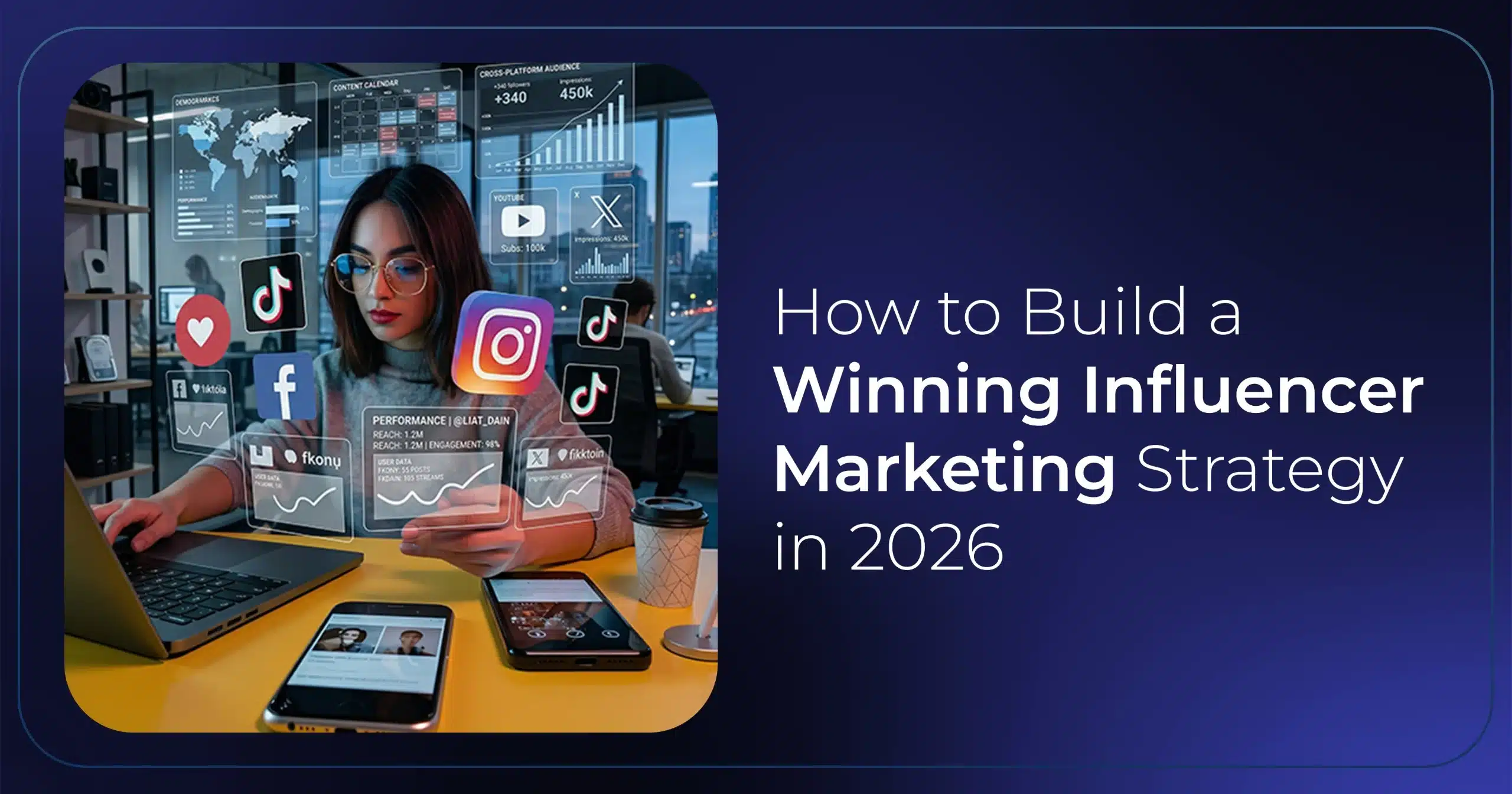
How to Build a Winning Influencer Marketing Strategy in 2026
Influencer marketing in 2026 is no longer just about likes and followers. Today, it is about building trust-based, conversion-focused campaigns that feel native to platforms like Instagram Reels, YouTube Shorts, and regional creator ecosystems in markets like Kerala.
Level8, a next-generation digital marketing learning studio, helps aspiring marketers learn how to design high-performing influencer marketing strategies using real brands, tools, and campaigns.
What Is a Winning Influencer Marketing Strategy in 2026?

A winning influencer marketing strategy in 2026 combines:
- Clear marketing goals
- Data-driven influencer selection
- Short video marketing formats
- Performance tracking and optimization
It blends creativity with structured systems like funnels, content calendars, and A/B testing.
For Kerala-based brands and students, this also means integrating regional language, cultural context, and local influencers while applying global social media marketing principles.
Step 1: Define Clear Goals for Influencer Marketing
Every successful influencer marketing strategy starts with clear objectives.
Common Goals:
- Increase brand awareness in Kerala or specific cities
- Drive traffic to landing pages or product listings
- Generate leads, sign-ups, or sales
- Grow followers on Instagram and YouTube
Tie each goal to measurable KPIs such as:
- Reach and impressions
- Engagement (likes, saves, shares)
- Click-through rate (CTR)
- Conversion rate and sales
Step 2: Understand Your Target Audience
Knowing your audience is essential for effective social media influencer marketing.
For Kerala-Based Campaigns:
- Age group and student demographics
- Language preference (Malayalam + English mix)
- Platform usage (Instagram, YouTube, LinkedIn, Snapchat)
- Content preferences (Reels, Shorts, tutorials, live sessions)
Creating audience personas helps decide whether to focus on:
- Instagram influencer marketing
- YouTube influencer marketing
- Or a hybrid approach
Step 3: Choose the Right Platforms and Content Formats
In 2026, short video marketing dominates user attention.
High-Performing Platforms:
- Instagram Reels – Trends, aesthetics, quick reach
- YouTube Shorts – Educational snippets and demos
- YouTube Long-Form – Deep reviews and tutorials
- Stories & Live Sessions – Engagement and conversions
Short videos drive discovery, while long-form content builds trust and increases conversions.
Step 4: Find and Evaluate the Right Influencers
Choosing the right creators is critical to your influencer marketing success.
Key Evaluation Criteria:
- Relevance – Audience matches your niche and location
- Engagement Quality – Meaningful comments over vanity metrics
- Consistency – Regular posting across platforms
- Brand Fit – Alignment with brand values
Pro Tip: Micro and nano influencers often deliver better ROI for Kerala-focused campaigns due to higher trust and niche communities.
Step 5: Create Content That Converts
Collaborate with influencers to develop authentic, high-performing content.
Proven Content Ideas:
- “Day in the life” content
- Before–after transformations
- Honest product reviews
- “3 tips” or educational short videos
- Limited-time offers with coupon codes
Align content with funnel stages:
- Reels & Shorts → Awareness
- YouTube → Consideration & Conversion
Step 6: Define Clear Briefs and Deliverables
A strong influencer marketing strategy requires structured communication.
Include in Your Brief:
- Campaign objective
- Target audience
- Platform focus
- Deliverables (Reels, Shorts, posts, Stories)
- Key messaging
- Do’s and don’ts
- Timeline and approvals
Allow creative freedom to maintain authenticity.
Step 7: Set Budgets and Pricing Models
Modern influencer marketing uses flexible pricing structures:
- Fixed fee per post
- Performance-based campaigns (CPL, CPS)
- Affiliate marketing with revenue sharing
- Barter collaborations for nano influencers
Always use contracts covering:
- Usage rights
- Timelines
- Exclusivity
- Disclosure guidelines
Step 8: Track and Optimize Campaign Performance
To scale influencer marketing, tracking is essential.
Key Metrics:
- Reach and impressions
- Engagement rate
- Watch time
- Clicks and conversions
- Cost per result
Use tools like UTM links and coupon codes to measure ROI accurately.
Compare results across Instagram and YouTube to optimize future campaigns.
Step 9: Repurpose and Scale Content
Maximize ROI by repurposing influencer content:
- Turn Reels into paid ads
- Convert YouTube videos into Shorts
- Use content in blogs and carousels
- Add testimonials to landing pages
This helps scale your social media marketing strategy without increasing costs.
Why Kerala Students Should Learn Influencer Marketing

Kerala has a rapidly growing creator economy, increasing digital adoption, and strong demand for social media professionals.
Learning influencer marketing strategy opens career opportunities in:
- Digital marketing agencies
- Startups and D2C brands
- Freelancing and personal branding
How Level8 Helps You Master Influencer Marketing Strategy
Level8 offers a practical, hands-on digital marketing bootcamp designed for real-world success.
What You’ll Learn:
- Influencer marketing fundamentals
- Campaign planning for Instagram & YouTube
- AI tools for content creation
- Client communication and reporting
- Portfolio building with real projects
With small batches and real campaigns, students gain practical experience, not just theory.
Conclusion
A winning influencer marketing strategy in 2026 combines creativity, short video content, and data-driven decision-making.
For Kerala students and brands, success lies in blending local insights with global strategies.
Level8 helps you turn these skills into a real career through hands-on training and industry exposure.
Contact us to learn more about digital marketing and its possibilities
Call : +91 8089688868
Email : [email protected]
FAQs
Q1. What is influencer marketing in 2026?
A. It is a data-driven approach to collaborating with creators to generate trust, engagement, and measurable results.
Q2. Which platforms work best?
A. Instagram Reels, YouTube Shorts, and YouTube long-form content perform best.
Q3. How much should brands spend?
A. Start with nano influencers and scale using performance-based models.
Q4. Is a short video enough?
A. Short videos drive awareness, but long-form content and landing pages drive conversions.
Q5. Can Kerala students build careers in influencer marketing?
A. Yes, there is high demand across agencies, brands, and freelance markets.